WP_Post Object
(
    [ID] => 4272
    [post_author] => 1
    [post_date] => 2024-12-06 20:53:07
    [post_date_gmt] => 2024-12-06 09:53:07
    [post_content] => [vc_row el_class="single-whitepare-content py-100"][vc_column][vc_row_inner el_class="bg-section-grey"][vc_column_inner][vc_column_text el_class="section-head"]
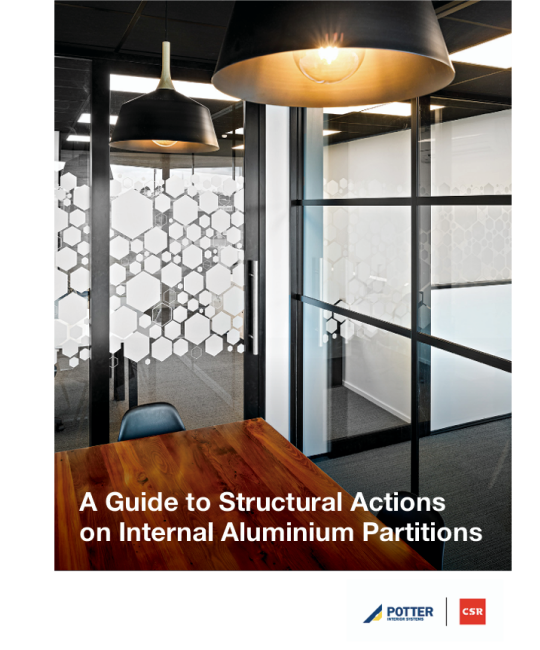
A Guide to Structural Actions on Internal Aluminium Partitions
[/vc_column_text][/vc_column_inner][/vc_row_inner][vc_row_inner][vc_column_inner width="1/2"][vc_single_image image="4278" img_size="full"][/vc_column_inner][vc_column_inner width="1/2"][vc_column_text]Elements commonly referred to as “non-structural”, including partitions and ceilings, may experience substantial loads due to wind and earthquake forces, the weight of permanent fixtures and fittings, and dynamic loads imposed by furniture, equipment, and occupants in the building. Therefore, they necessitate proper engineering design and installation.

In the past, internal partitions were primarily constructed using heavier materials like brick due to the need for increased structural stability. More recently, the growing adoption of lightweight systems and the expansion of building size and height mean that the effects of internal pressures from wind, earthquakes, and other loads have become much more significant.

Clause B1 Structure of the New Zealand Building Code requires that all building elements have a low probability of failure when exposed to loads likely to be experienced within their lifetime.1 In this whitepaper, we examine several of the key actions that affect the design of internal aluminium partitions—from seismic and wind loads to fittings, fixtures and even loads caused by occupants and moving objects in the building

DOWNLOAD WHITEPAPER[/vc_column_text][/vc_column_inner][/vc_row_inner][/vc_column][/vc_row][vc_row el_class="potter-product-category py-100"][vc_column][vc_column_text][product_categories_tabs][/vc_column_text][/vc_column][/vc_row][vc_row el_class="potter-leading-banner"][vc_column][vc_column_text][view_product_section][/vc_column_text][/vc_column][/vc_row]
    [post_title] => GUIDE TO STRUCTURAL ACTIONS – On Aluminium Partitons
    [post_excerpt] => Elements commonly referred to as “non-structural”, including partitions and ceilings, may experience substantial loads due to wind and earthquake forces, the weight of permanent fixtures and fittings, and dynamic loads imposed by furniture, equipment, and occupants in the building. Therefore, they necessitate proper engineering design and installation.
    [post_status] => publish
    [comment_status] => closed
    [ping_status] => closed
    [post_password] =>
    [post_name] => guide-to-structual-actions-on-aluminium-partitons
    [to_ping] =>
    [pinged] =>
    [post_modified] => 2024-12-16 15:29:00
    [post_modified_gmt] => 2024-12-16 04:29:00
    [post_content_filtered] =>
    [post_parent] => 0
    [guid] => https://dev.potters.co.nz/?post_type=whitepaper&p=4272
    [menu_order] => 0
    [post_type] => whitepaper
    [post_mime_type] =>
    [comment_count] => 0
    [filter] => raw
)
Whitepapers
A Guide to Structural Actions on Internal Aluminium Partitions
A Guide to Structural Actions on Internal Aluminium Partitions
Elements commonly referred to as “non-structural”, including partitions and ceilings, may experience substantial loads due to wind and earthquake forces, the weight of permanent fixtures and fittings, and dynamic loads imposed by furniture, equipment, and occupants in the building. Therefore, they necessitate proper engineering design and installation.
In the past, internal partitions were primarily constructed using heavier materials like brick due to the need for increased structural stability. More recently, the growing adoption of lightweight systems and the expansion of building size and height mean that the effects of internal pressures from wind, earthquakes, and other loads have become much more significant.
Clause B1 Structure of the New Zealand Building Code requires that all building elements have a low probability of failure when exposed to loads likely to be experienced within their lifetime.1 In this whitepaper, we examine several of the key actions that affect the design of internal aluminium partitions—from seismic and wind loads to fittings, fixtures and even loads caused by occupants and moving objects in the building
DOWNLOAD WHITEPAPER
Looking for the perfect product to complete your project?
Potter Interior Systems has many product solutions to bring your project to life – try our Product Finder to discover what’s right for you.
PRODUCT FINDER
Looking for the perfect product to complete your project?
Potter Interior Systems has many product solutions to bring your project to life – try our Product Finder to discover what’s right for you..
product
Leading NZ Supplier of Aluminium Partitions